Managing multi-location business telecom requires more than connecting separate offices with phone services. A structured approach helps businesses control communication across locations, reduce complexity, and improve visibility into telecom services, contracts, and costs. This guide explains the challenges of managing multiple sites, from legacy phone systems and POTS lines to SIP trunking, cloud PBX, and network connectivity options. It highlights practical steps to create consistent business communication, review carrier relationships, and support growth without unnecessary disruption. Use these insights to evaluate suitable telecom strategies for your organization.
Key Takeaways
Centralize Telecom Management
A centralized approach helps businesses manage locations, services, contracts, and support requirements with better visibility and control.
Review Carrier Relationships
Evaluating carriers and telecom services helps identify overlapping agreements, unnecessary expenses, and opportunities to manage services better.
Standardize Communication Features
Consistent phone system features across locations create a more reliable experience for employees and customers.
Evaluate Connectivity Requirements
Reviewing network capacity, internet connections, and backup options helps maintain dependable communication across sites.
Choose Suitable Phone Solutions
Comparing options such as SIP trunking and cloud PBX helps businesses select solutions based on actual operational needs.
Plan For Future Growth
A structured telecom strategy makes it easier to support new locations, changing requirements, and business expansion.
What Multi-Location Business Telecom Involves
Multi-location business telecom connects voice, internet, and network services across separate locations through a coordinated telecom structure. A centralized approach coordinates phone settings, extension plans, call routing, internet connections, and support. This helps companies maintain consistent business communication, support employees at each branch, and evaluate connectivity options that match operational needs without adding unnecessary complexity.
The Real Cost Of Location-By-Location Management
Managing telecom separately at every location creates duplicate contracts, invoices, carriers, phone systems, and support processes. Costs can increase when each branch orders services independently or keeps unused capacity. A centralized telecom strategy provides clearer visibility into expenses and services across multiple locations and identifies practical improvements with better planning and control.
Why Legacy PBX And POTS Fall Short
Legacy PBX systems and POTS lines can limit flexibility when businesses operate across multiple locations. Older phone infrastructure may require more maintenance, physical equipment, and manual changes. Modern options such as VoIP, cloud PBX, and SIP trunking offer more adaptable communication choices for changing workplace needs.
Cloud PBX Versus SIP Trunking Across Sites
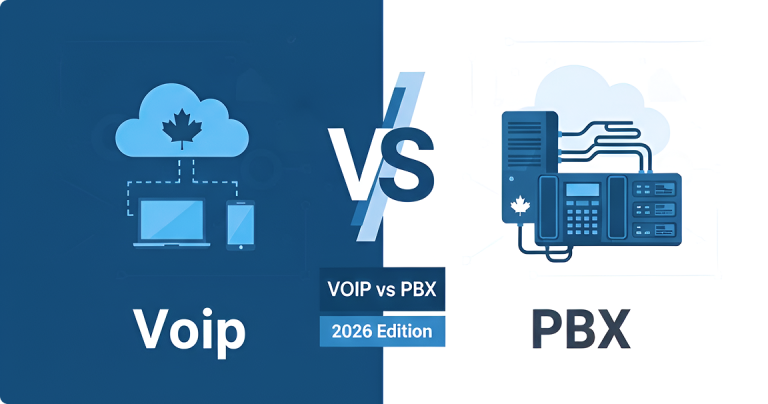
Choosing between cloud PBX and SIP trunking depends on business requirements, existing infrastructure, and growth plans. A cloud PBX supports hosted phone features, while SIP trunking connects existing PBX systems through internet-based services. The right choice depends on existing phone systems, control requirements, locations, and call volume. Select a suitable approach for communication across multiple locations for specific operational requirements.
Connecting Sites With SD-WAN And Converged Networks
SD-WAN and converged voice and data networks support businesses connecting branch locations through a more coordinated network structure. These approaches combine connectivity needs with communication requirements, supporting better traffic management, bandwidth planning, and reliability. Proper planning maintains communication quality across offices and remote sites as businesses grow.
Consolidating Carriers, Contracts, And Billing
Multiple carriers, separate contracts, and numerous invoices make telecom spending difficult to track. Consolidation can reduce carrier relationships, simplify contract reviews, and combine billing information. A structured telecom audit can identify duplicate services, unused lines, inconsistent rates, and unnecessary expenses. This helps you understand current costs and explore practical ways to improve management.
Features Every Location Should Share
A consistent multi-location business phone system should provide essential features across all locations, including extension management, call routing, conferencing, and support access. Shared features create a smooth and streamlined communication experience for employees and customers. It also lets IT teams manage phone systems and apply similar configurations across branch offices more efficiently in daily operations.
Data Sovereignty And Compliance In Canada
Canadian businesses should review where communication data is stored, processed, and accessed before selecting cloud communications services. Data sovereignty requirements can affect vendor selection, contracts, and security controls. Businesses handling personal information should also consider PIPEDA, access policies, retention practices, and provider agreements when evaluating a connectivity solution for multiple locations.
Practical Tips
Audit every site's carriers and contracts
Review each carrier agreement, services, and contract terms to identify duplicate services and prevent paying for unused capacity.
Align renewal dates before consolidating
Coordinate contract renewal timelines across locations to create a clearer consolidation plan and avoid being locked into separate agreements with different carriers.
Standardize handsets and features across sites
Establish standardized phone system requirements, including handsets, extensions, call routing, and communication features, so employees across locations have a consistent experience.
Plan backup connectivity for each location
Plan a secondary internet connection or failover method for branches so essential phone system and network services can continue during a primary connection outage.
Set one escalation path for outages
Assign a clear support contact and escalation process so staff can resolve telecom and network issues faster without managing multiple support channels.
Track spend for all sites in one view
Maintain a centralized view of telecom costs, invoices, contracts, and services to improve budgeting decisions and identify unnecessary expenses across locations.
Common Mistakes to Avoid
Letting each site buy its own services
Allowing individual locations to choose separate telecom plans can create inconsistent phone systems, fragmented billing, and limited visibility into total communication costs.
Keeping overlapping POTS lines
Keeping unnecessary POTS lines alongside newer options can increase monthly expenses and leave businesses managing outdated services with limited flexibility.
Ignoring staggered contract renewal dates
Missing contract timelines across locations can complicate telecom consolidation and prevent businesses from negotiating better terms when it matters.
Choosing voice before checking site networks
Selecting a business phone system without reviewing network capacity, internet connection quality, and bandwidth needs can lead to poor call performance across locations.
Paying long-distance charges between your own offices
Failing to review internal calling options can lead to unnecessary long-distance charges when employees communicate between headquarters, branches, and remote locations.
Overlooking Canadian data residency rules
Ignoring data storage requirements and compliance considerations can create risks for businesses that need telecom services aligned with Canadian privacy and security expectations.
What is a multi-location business?
A multi-location business operates from two or more physical sites, such as offices, branches, stores, or franchise locations. Each location may have different communication needs, but businesses often need consistent phone systems, network access, and support processes to keep operations reliable across sites.
Can all our locations share one phone system?
Yes, multiple locations can use a shared phone system through options such as cloud PBX or connected business phone systems. This lets employees use common features like extensions, call routing, and conferencing while keeping a consistent communication experience across offices.
Is SIP trunking or cloud PBX better for multiple locations?
The right choice depends on existing infrastructure, business requirements, and growth plans. SIP trunking can extend an existing PBX, while cloud PBX provides a hosted phone system with fewer on-site hardware requirements. A telecom evaluation can help you choose the option that best fits your operational needs.
How do we avoid long-distance charges between our offices?
Businesses can reduce internal calling charges by using connected phone systems, VoIP solutions, or unified communications platforms that treat office-to-office calls as internal communication. Reviewing existing carrier plans and call routing settings can also help identify unnecessary long-distance expenses between locations.
Do we need SD-WAN to connect multiple sites?
SD-WAN isn’t required for every business, but it can help organizations with multiple sites improve network control, traffic management, and visibility into connectivity. The need depends on factors such as application usage, internet reliability, security requirements, and the complexity of the network environment.
Can we get one bill for every location?
Many businesses can consolidate telecom billing by working with providers or partners that support centralized account management. Combining services can provide clearer visibility into expenses, contracts, and invoices across locations, making it easier for decision-makers to review telecom costs and plan for future needs.